


The Economics of AI Adoption
How Automation, Hybrid Concierge Models, and Digital Nomad Behaviour Are Reshaping Hospitality
Key Findings
Labour costs consume 30-45% of hotel revenue, making automation economically essential
40-80 million digital nomads driving demand for extended-stay services
Hybrid AI+human models can handle 90% of guest communications
AI implementation shows ROI within 3-6 months for most properties
Executive Summary
Economic Pressures and the Imperative for Automation
The European hospitality sector, particularly its small and mid-sized enterprises (SMEs), is navigating a period of intense economic pressure. These properties, which form the backbone of the continent's tourism industry, are grappling with a confluence of challenges that threaten their profitability and long-term viability. A primary driver of this pressure is the escalating cost of human labour, which consistently accounts for 30-45% of a hotel's total revenue. This burden is compounded by widespread labour shortages, rising minimum wages, and increased employer contributions, creating a perfect storm for operators already operating on thin margins.
In the UK, for instance, a 6.7% minimum wage hike and higher National Insurance Contributions have disproportionately affected select-service and budget hotels, squeezing profitability even as inflation remains sticky. These economic realities make the traditional model of 24/7 front desk staffing not just expensive, but often unsustainable for smaller properties. Consequently, the imperative to explore automation and AI-driven solutions has shifted from a futuristic concept to a present-day necessity for survival and competitiveness.
The Rise of Digital Hotels and the Digital Nomad Phenomenon
Parallel to these economic pressures, two significant market trends are reshaping guest expectations and operational models: the emergence of "digital hotels" and the rapid growth of the digital nomad class. Digital hotels, characterized by their staff-light or staffless operations, leverage technology for remote management, contactless check-in, and automated guest services. This model offers compelling economic benefits, including dramatically reduced labour costs and enhanced scalability, appealing to a new generation of tech-savvy investors and operators.
Simultaneously, the digital nomad population is expanding globally, with estimates suggesting a cohort of 40 to 80 million people. These travellers exhibit distinct behaviours: they stay in destinations for longer periods, often extending beyond their initial accommodation booking, and they demand a high level of digital integration, including rapid, messaging-first communication with their hosts. This new travel class values flexibility, local immersion, and continuous support, creating a demand for services that extend beyond the traditional check-in/check-out cycle.
The Hybrid Concierge Model: A Path Forward
In response to these economic and market shifts, the future of small-scale hospitality lies not in a wholesale replacement of human service with automation, but in the adoption of a hybrid concierge model. This model strategically combines the efficiency and scalability of AI with the empathy and problem-solving capabilities of human Virtual Assistants (VAs). Evidence from early adopters suggests this hybrid approach can lead to significant operational gains, with AI handling up to 90% of guest communication and reducing staff workload by as much as 60%. More importantly, it enhances the guest experience by ensuring 24/7 availability, instant responses, and consistent service quality, which in turn drives higher guest satisfaction scores and positive online reviews.
The Hospitality Economics of Small & Mid-Sized Properties
The Financial Landscape
The European hotel market is projected to generate revenues of US$121.07 billion in 2025, indicating a healthy overall market size. However, the benefits are not evenly distributed across all property sizes and segments.
Small and mid-sized properties face particular challenges due to their limited scale and bargaining power. In Canada, over 80% of accommodation providers employ fewer than 50 people, with many being family-owned independents or mid-sized regional chains facing similar constraints across Europe.
Labour Cost Crisis
Labour consistently represents the single largest operating expense for hotels, consuming between 30% and 45% of total revenue. This high percentage means that even minor fluctuations in wage rates can significantly impact profitability.
In the UK, recent increases including a 6.7% National Living Wage hike have directly translated into sharp escalation in overall employment costs, contributing to a notable decline in profit margins across the sector.
Annual cost for 24/7 front desk staffing at small properties
Competitive Disadvantages
Operational Challenges
- Reduced reception hours due to high staffing costs
- Limited multilingual capabilities affecting guest experience
- Slow response times leading to guest dissatisfaction
Market Position
- Cannot match large chains' 24/7 service teams
- Limited pricing power against international brands
- Insufficient capital for technology investments
The Rise of Digital Hotels & Automated Stays
Growth of Digital-First Properties
The hospitality industry is witnessing a significant trend towards digital-first and staffless properties across Europe, the US, and Asia-Pacific. This shift is driven by technological advancement, evolving guest expectations, and compelling economic incentives.
The primary appeal lies in dramatic cost reduction and operational scalability. By minimizing on-site staff, properties can achieve significant savings on labour costs while maintaining service standards through automation.
Economic Benefits
- • Reduced labour costs (typically 30-45% of revenue)
- • Enhanced scalability with remote management
- • Lower barrier to entry for new operators
- • Consistent service quality through automation
Psychological Challenges
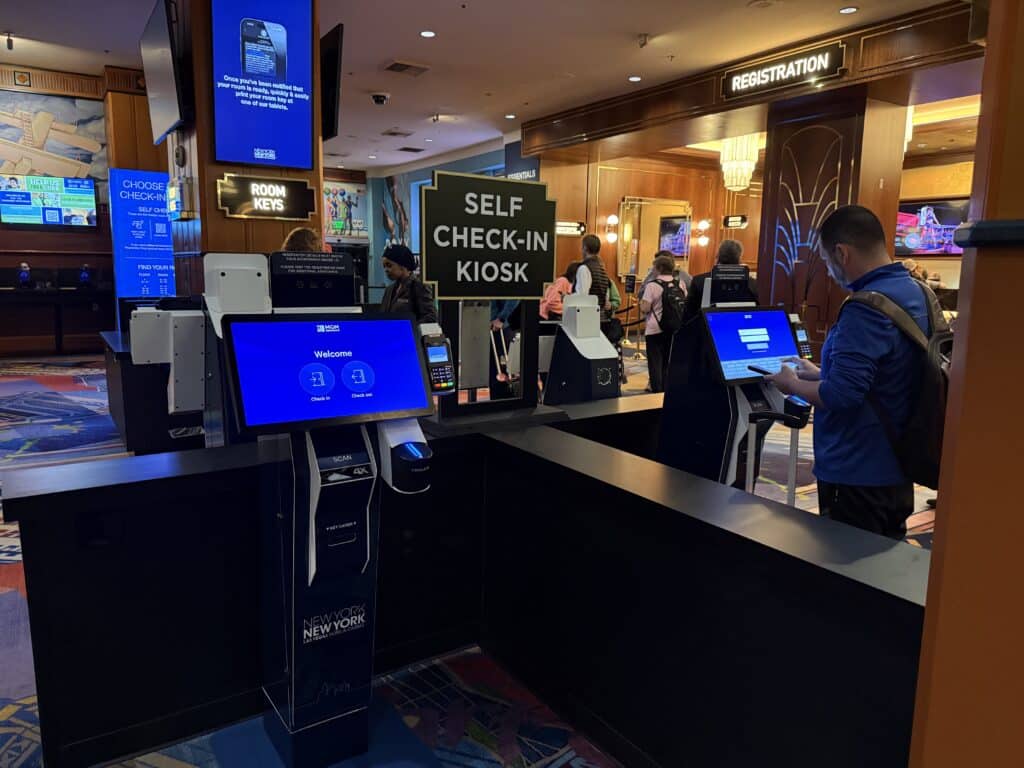
Despite operational benefits, automated hospitality faces significant psychological challenges. Guests frequently describe staffless properties as "cold" or "lonely," missing the human connection that defines traditional hospitality.
Case studies document instances where over-automation led to guest frustration and security concerns.
Case Study: The Pitfalls of Over-Automation
The "Automated Check-in Nightmare"
A documented case from August 2025 reveals the dark side of over-automation. A guest at a 100% automated boutique hotel experienced a cascade of failures including:
- • Confusing confirmation emails with unclear instructions
- • Multiple room reassignments via unrecognizable numbers
- • Accidentally entering an already-occupied room
- • Security vulnerabilities with interchangeable access codes
- • Futile attempts to reach off-site customer service
Lessons Learned
This experience underscores a critical lesson: in hospitality, communication is everything. When automation fails, the absence of a human to provide clear information and emotional support transforms minor inconvenience into major crisis.
"It's a case study in how poor implementation of automation can undermine everything hospitality stands for."
Positive AI Perception
Despite automation challenges, research shows that when implemented thoughtfully, AI can enhance guest experience. Studies of smart hotel reviews reveal that specific AI-driven services like automated check-in/out are often praised for convenience.
Named AI
Giving AI robots names and personalities improves guest sentiment
Efficiency
Automated processes praised for convenience and time-saving
Enhancement
AI best used to augment, not replace, human interaction
Digital Nomads: A New Travel Class With New Expectations
The Expanding Demographic
The digital nomad demographic has evolved from a niche community into a significant segment of the global travel market. Estimates suggest a global population ranging from 40 to 80 million people, fueled by remote work adoption and gig economy growth.
European Hub Growth
Europe has become a major hub, with countries like Portugal, Spain, and Germany seeing significant influx. 74% of nomads state that visa availability was a key factor in their relocation decisions.
Top European Destinations
- • Spain
- • Portugal
- • Germany
- • Italy
Key Hub Cities
- • Lisbon
- • Barcelona
- • Berlin
- • Budapest

Travel Behavior & Spending Patterns
Length-of-Stay Characteristics
Unlike traditional tourists, digital nomads typically remain in one place for several weeks to months. This extended-stay model creates demand for accommodation that offers more than just a bed for the night.
Required Amenities
- • Well-equipped kitchenettes
- • Comfortable workspaces
- • Reliable high-speed Wi-Fi
- • Laundry facilities
- • Community spaces
Digital Nomad Monthly Spending in European Cities
| City | Estimated Monthly Spending (USD) | Key Cost Drivers |
|---|---|---|
| Sarajevo, Bosnia | $1,000 - $1,500 | Very low cost of living, affordable food and transport |
| Budapest, Hungary | ~$1,500 | Affordable rent, but higher costs for dining and coworking |
| Prague, Czech Republic | ~$1,800 | Higher rent than Eastern European capitals, but still affordable |
| Tallinn, Estonia | ~$2,000 | Higher costs offset by excellent digital infrastructure |
| Lisbon, Portugal | €2,800+ (approx. $3,000) | High demand has driven up accommodation and living costs |
Service Expectations
Messaging-First Communication
Digital nomads expect rapid, text-based communication similar to digital platforms they use daily. Properties responding within one hour see 25% more conversions.
Extended Support Needs
Beyond accommodation, nomads require local support for transportation, healthcare, banking, and community integration—creating demand for concierge services that extend beyond traditional boundaries.
The "Lingering-On" Model
A service innovation where concierge support extends beyond checkout through persistent messaging channels. This model addresses digital nomads' needs for continued local support after changing accommodations.
Benefits
- • Enhanced guest satisfaction
- • More positive online reviews
- • Increased repeat business
- • Stronger emotional connection
- • Community building
The True Cost of Human Labour vs AI Automation
Human Labour Costs
Direct Compensation
For a small European hotel, employing a single full-time receptionist involves substantial annual costs. Social security contributions, health insurance, and benefits often add 30-50% to base salary costs.
Hidden Costs
- • Recruitment and advertising expenses
- • Training requirements (60-80 hours per employee)
- • High turnover rates (73% in hospitality)
- • Lost productivity during transitions
- • Premium pay for night/weekend coverage
- • Multilingual staff wage premiums
AI Automation Economics
Predictable Costs
AI systems operate on fixed subscription or licensing fees, providing predictable operational expenditure without wage inflation, overtime, or benefits fluctuations.
Economic Advantages
- • 31% reduction in staffing costs (saving ~$18,000/month)
- • Unlimited scalability without performance degradation
- • 24/7 availability without shift premiums
- • Instant multilingual capabilities
- • No recruitment or training costs
- • Consistent service quality
Comparative Cost Analysis: 24/7 Human Staffing vs AI Automation
| Cost Factor | 24/7 Human Staffing (4 FTEs) | AI Automation (Annual) | Analysis |
|---|---|---|---|
| Annual Salary & Benefits | €120,000 - €160,000 | N/A | Based on €30,000-€40,000 per FTE in Europe. Fixed, recurring cost. |
| Recruitment & Training | €5,000 - €10,000 | N/A | Recurring cost due to high industry turnover. |
| Overtime & Shift Premiums | €10,000 - €20,000 | N/A | Significant cost for 24/7 coverage, nights, weekends, holidays. |
| Technology & Setup | N/A | €15,000 - €50,000 | One-time implementation cost, often underestimated by vendors. |
| Annual Subscription | N/A | €12,000 - €30,000 | Predictable operational expenditure, scalable with usage. |
| Total First-Year Cost | €135,000 - €190,000 | €27,000 - €80,000 | AI automation presents potential first-year savings over 50%. |
Break-even point: 3-6 months for properties with high guest communication volumes
Cost Reduction Evidence
Global Luxury Brand
31% reduction in staffing costs, saving approximately $18,000 per month through AI implementation across three properties.
International Resort Chain
62% reduction in operational costs after implementing AI concierge across 15 properties.
Revenue Enhancement
Cosmopolitan Las Vegas (Rose)
AI concierge generated $2.8M in incremental revenue over six months, with users spending 30% more than non-users.
General Performance
Hotels using AI concierges report guests spending 23% more on property amenities and services.
The Hybrid Model: AI + Human Virtual Assistants
Why "AI-Only" is Not the Future
While AI efficiency gains are undeniable, a purely automated model carries significant risks. AI struggles with complex, emotional, or unusual situations requiring empathy and creative problem-solving. The future lies not in removing humans but in using technology to empower them for interactions that truly matter.
AI's Role: The First Line of Defense
AI serves as the initial contact point, handling high-volume, repetitive tasks that often overwhelm small teams. This includes answering frequently asked questions, providing instant multilingual translations, and managing routine booking inquiries.
FAQ Management
Wi-Fi codes, check-in times, amenities information
Multilingual Support
Instant translation for international guests
Booking Management
Confirmations, modifications, availability checks
Intelligent Routing
Categorizing and directing complex queries
AI can handle up to 80% of guest inquiries without human intervention
Human VAs: Empathetic Problem Solvers
Human Virtual Assistants focus on complex, sensitive, and emotionally nuanced interactions where personal touch is irreplaceable. This model allows staff to concentrate on high-value activities that directly impact guest satisfaction and loyalty.
Emotional Support
Handling complaints, special requests, sensitive situations
Complex Problem Solving
Unique situations requiring creative solutions
VIP Treatment
Personalized experiences for high-value guests
Relationship Building
Creating memorable moments and connections
Human VAs handle the 20% of interactions that create 80% of guest loyalty value
The "Human-in-the-Loop" Framework
AI Triage & Filtering
Every inquiry is initially processed by AI, which categorizes requests and handles routine queries instantly, filtering out 70-90% of interactions from human workload.
Seamless Escalation
When AI detects complexity or emotional content, it executes a flawless handoff to human VA, transferring full conversation history to maintain context and continuity.
Human Resolution
Human VAs provide empathetic, creative solutions for complex situations, focusing on building relationships and creating memorable guest experiences.
Time Reclamation
Hosts can outsource up to 90% of guest communication, reclaiming time for strategic business development, property improvements, or better work-life balance.
Service Enhancement
Staff efficiency increases as they focus on high-value interactions, leading to enhanced service quality, improved guest satisfaction, and higher staff morale.
Risk Mitigation
The hybrid model prevents the "lonely automation" experience while providing consistent service quality, effectively balancing efficiency with human warmth.
Case Study: Roomlingo
Roomlingo.com
An Illustrative Technology Platform
Roomlingo serves as a representative case study demonstrating how automation, hybrid service models, and digital nomad needs converge in practical applications. This AI-powered multilingual concierge system exemplifies the technology solutions emerging for small-scale hospitality operators.
Core Functionality
AI Multilingual Concierge
Provides instant, 24/7 responses to guest inquiries across multiple languages, addressing the critical challenges of slow replies and multilingual support for small hotels.
FAQ Learning System
Learns from host-guest interactions, capturing property-specific information and host communication style to provide increasingly personalized automated responses.
Browser-First Design
Requires no complex software installation or hardware upgrades, making it accessible to properties with older technology infrastructure and limited IT support.
GDPR-Aligned Data Handling
Built with European data privacy requirements in mind, featuring compliant chat retention policies and responsible guest data management.
Technology Alignment
Hybrid Model Support
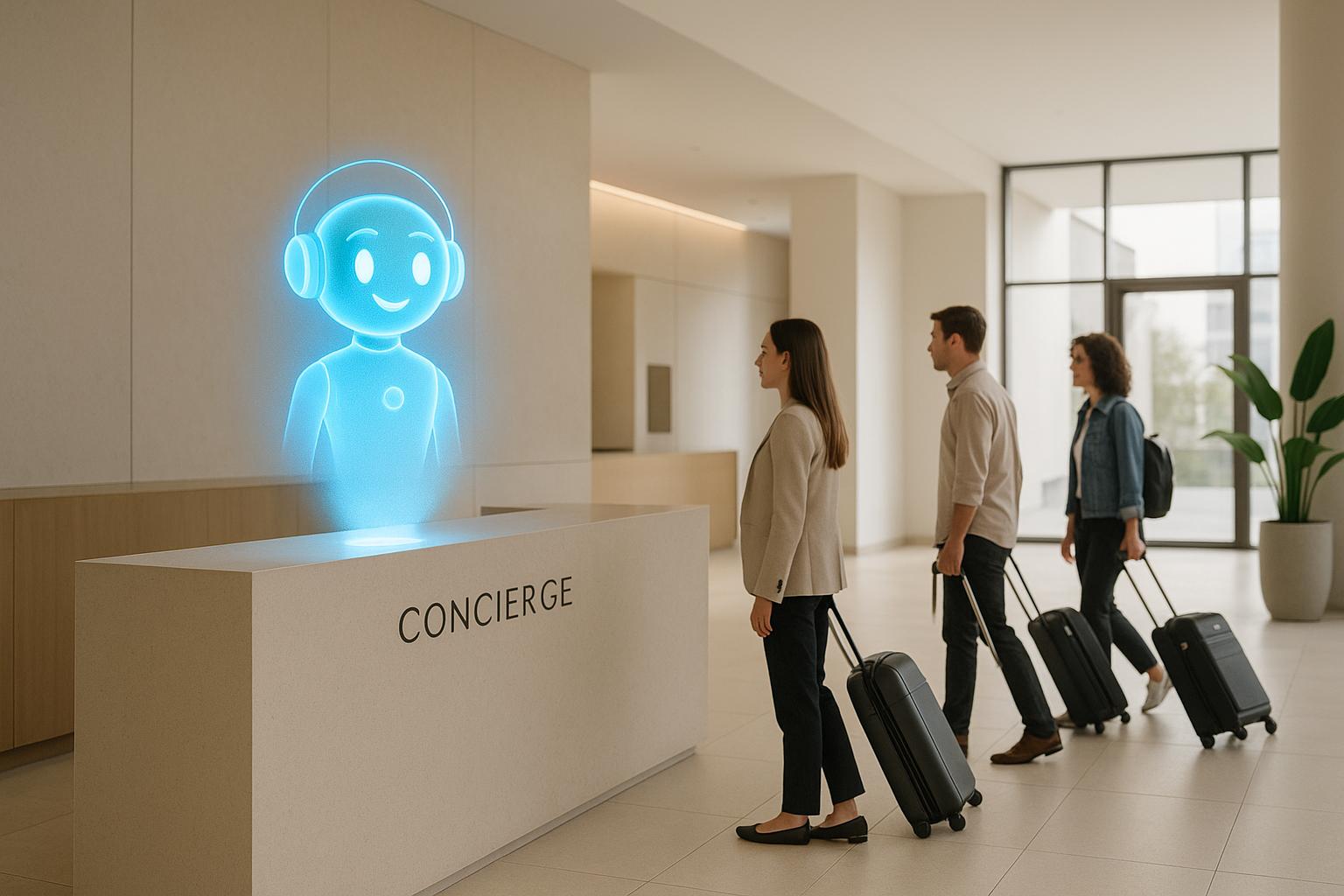
Architecture supports seamless handoff from AI to human agents, enabling implementation of the hybrid concierge model.
Lingering-On Integration
Persistent chat interface naturally facilitates extended post-checkout support for digital nomads and long-stay guests.
Small Operator Focus
Designed specifically for short-term rentals and small hotels, addressing the unique constraints and needs of independent operators.
Strategic Alignment with Market Trends
Hybrid AI + VA Model
Future VA add-on packages will enable complete outsourcing of guest communication, providing small operators with professional, managed services.
Lingering-On Support
Extended support capabilities directly address digital nomad needs, fostering long-term relationships and building guest loyalty beyond traditional stays.
Human Warmth in Digital Hotels
Technology enables staff-light properties to maintain personal connections while achieving operational efficiency and cost-effectiveness.
Technology as Empowerment
For Small Operators
- Level playing field with larger chains
- 24/7 availability without 24/7 staffing
- Multilingual capabilities without multilingual staff
- Professional service with personal touch
For Digital Hotel Operators
- Essential infrastructure for staff-light operations
- Scalable service delivery model
- Maintained human connection through hybrid approach
- Competitive differentiation through technology
Guest Experience Transformation Through AI Concierge Systems
Enhanced Responsiveness
AI systems provide 24/7 immediate responses, eliminating guest frustration from waiting on hold or for email replies. This constant availability provides security and support.
Properties responding within one hour see 25% more conversions
Language Accessibility
Multilingual AI capabilities break down communication barriers, ensuring all guests receive high-quality information in their preferred language, creating powerful sense of inclusion.
Enables global clientele service previously exclusive to large chains
Revenue Enhancement
AI systems excel at intelligent upselling, analyzing guest preferences to make personalized recommendations for upgrades, services, and local experiences.
23% increase in ancillary spending with AI recommendations
Reputation & Loyalty Impact
Review Score Enhancement
The combination of instant responses, 24/7 availability, and consistent service quality directly improves guest satisfaction scores. Cornell Hospitality Research found 25% improvement in satisfaction scores after AI concierge implementation.
Reputation Benefits
- • Higher online review scores
- • Increased booking conversion rates
- • Enhanced pricing power (up to 20% ADR premium)
- • Reduced dependency on OTAs
Emotional Connection Paradox
The paradox of AI hospitality: by automating transactional tasks, properties create more opportunities for meaningful human interactions. Staff freed from routine work can focus on genuine relationship building.
Connection Building
- • Personalized welcome experiences
- • Proactive guest engagement
- • Lingering-on support continuity
- • Community creation for long-stay guests
Building Loyalty Through Service Continuity

The Lingering-On Advantage
By extending support beyond checkout dates, properties demonstrate genuine commitment to guest well-being. This continued relationship transforms transactional stays into meaningful connections.
Community Building
Creates sense of belonging for digital nomads and long-stay guests
Repeat Business
Strong relationships drive return visits and word-of-mouth referrals
Memorable Experiences
Personal connections create stories guests share in reviews and social media
Market Forecast (2025–2035)
AI Concierge Adoption
The adoption curve for AI concierge tools will follow classic technology diffusion patterns. Current European hotel surveys indicate 41% are actively using AI, with 68% seeing potential utility for reservations.
2025-2027: Early Adoption Phase
Tech-savvy operators pilot AI solutions, focusing on messaging automation and multilingual support
2028-2032: Rapid Growth
Accelerated adoption driven by proven ROI and decreasing implementation costs
2033-2035: Market Maturity
AI concierge systems become standard infrastructure for competitive properties
Digital Hotel Growth
The digital hotel model is poised for significant growth, driven by compelling economic advantages and improving technology reliability. Staffless and staff-light properties will become permanent market segments.
Budget & Midscale Focus
Cost-conscious segments drive initial adoption of fully automated models
Secondary Markets
Economically challenging locations become viable through automation
Hybrid Evolution
Even automated properties adopt human-in-the-loop models for premium experiences
Digital Nomad Market Expansion
Market Growth Drivers
- Continued remote work adoption
- Expanding digital nomad visa programs
- Improving global internet infrastructure
- Diversifying demographic (families, professionals)
Annual contribution to local economies by 2035

Hybrid Service Model Penetration
Market Evolution
By 2035, the hospitality industry will have moved beyond the false dichotomy of "AI vs. Human" to fully embrace "AI + Human" models. The most successful operators will master the art of blending technology and human touch.
Long-term ROI Projections
Direct Cost Savings
Reduced labour expenses from automation of routine tasks
Revenue Enhancement
Improved review scores enabling higher ADR and occupancy
Loyalty Building
Reduced customer acquisition costs through repeat business
Transformation Timeline
Competitive Landscape Transformation
Level Playing Field
Small properties gain capabilities previously exclusive to large chains, enabling competitive service delivery at fraction of the cost.
Operational Efficiency
Automated systems enable professional management of multiple properties by single operators, creating scalable business models.
Human Touch Premium
As automation becomes common, genuine human interaction becomes key differentiator commanding premium pricing.
Risks & Barriers
Human Touch Concerns
The primary barrier is fear that automation will eliminate the human element essential to hospitality. This misconception must be addressed through education about hybrid models.
Solution: Frame AI as empowerment tool, not replacement
Technical Integration
Legacy Property Management Systems often lack modern integration capabilities, creating implementation challenges and unexpected development costs.
Solution: Choose flexible platforms with open APIs and browser-first design
Data Privacy Compliance
GDPR compliance is non-negotiable in European markets. AI systems handling guest data must implement privacy-by-design principles with clear data retention policies.
Solution: Work with GDPR-compliant vendors with clear processing agreements
Overcoming Staff Resistance
Common Concerns
Job Security Fears
Staff worry automation will make their positions redundant
Skill Gap Anxiety
Uncertainty about adapting to new technology and workflows
Process Disruption
Resistance to changing established operational routines
Mitigation Strategies
Transparent Communication
Involve staff early, explain benefits, emphasize AI as tool not replacement
Comprehensive Training
Provide thorough education on new systems and hybrid workflows
Role Evolution
Show how AI frees staff for more meaningful, rewarding work
Operational & Psychological Challenges
Digital Burnout Prevention
Both guests and staff risk digital overload from over-reliance on automated systems. This requires careful balance between efficiency and human connection.
Prevention Strategies
- • Clear, easy paths to human agents
- • Staff roles emphasizing person-to-person interactions
- • Regular technology-free hospitality training
- • Guest choice between digital and human service
Training & Upskilling Requirements
The shift to hybrid models requires significant investment in workforce development, focusing on emotional intelligence and complex problem-solving skills.
Focus Areas
- • Emotional intelligence development
- • Creative guest solution design
- • AI system collaboration skills
- • Cultural sensitivity and empathy
Strategic Recommendations for Small Hospitality Businesses
A Phased Approach to AI Adoption
For small hospitality businesses, the most effective implementation strategy follows a structured, phased approach that minimizes risk while maximizing return on investment.
Phase 1: Messaging Automation
Start with High-Impact Automation
Implement AI-powered chatbot for frequently asked questions and instant responses. This addresses immediate pain points while requiring minimal investment and disruption.
Measure and Optimize
Track response times, guest satisfaction, and staff time savings to build business case for expanded implementation.
Staff Training Foundation
Begin upskilling team members on AI collaboration and prepare them for evolving roles focused on high-value guest interactions.
Expected Outcomes
- • 25-50% reduction in routine inquiry response time
- • 15-30% staff time savings
- • Improved initial guest satisfaction scores
- • Clear ROI measurement for expansion
Phase 2: Hybrid Concierge
PMS Integration
Connect AI system with property management system for automated booking modifications, check-in procedures, and personalized guest interactions based on reservation data.
Escalation Protocols
Establish clear procedures for seamless handoff from AI to human agents, ensuring complex situations receive appropriate attention.
Multilingual Expansion
Activate multilingual capabilities to serve broader international audience and compete with larger chains' language capabilities.
Expected Outcomes
- • 60-80% of guest communication automated
- • Enhanced international guest satisfaction
- • Consistent 24/7 service availability
- • Foundation for staff reduction or reallocation
Enhance Guest Value Proposition
Introduce Lingering-On Support
Extend concierge availability post-checkout through persistent messaging channels. This differentiates your property and builds loyalty with digital nomads and long-stay guests.
Increase Host Availability
Use AI to provide 24/7 responsiveness without increasing staffing levels. This allows professional management while maintaining personal character.
Build Competitive Advantage
Adopt Multilingual Automation Early
In diverse European markets, multilingual support provides significant competitive advantage. Early adoption establishes market position before it becomes standard.
Consider VA + AI Outsourcing
Combine powerful AI with remote human Virtual Assistants to create fully managed reception services at fraction of on-site team costs.
Implementation Success Factors
Staff Engagement
Involve team members from beginning, provide comprehensive training, emphasize AI as empowerment tool.
Continuous Measurement
Track key metrics throughout implementation, adjust strategies based on data, celebrate early wins.
Iterative Approach
Start small, prove value, scale gradually. Technology implementation is journey, not destination.
Conclusion
The New Economic Era
The evidence presented in this analysis makes it clear: small and mid-sized hospitality providers are entering a new economic era where traditional models of relying on large, low-cost human workforces are no longer viable.
The financial pressures are too great, the competitive disadvantages too significant, and guest expectations too evolved to maintain status quo operations.
This new era is defined by the need for efficiency, scalability, and technological sophistication.
Future Success Factors
- • Technological sophistication as competitive advantage
- • Operational efficiency driving profitability
- • Scalable service models enabling growth
- • Human touch preserved through strategic automation
AI as Foundational Infrastructure
In this new economic era, AI-enabled concierge systems are not luxury add-ons or futuristic concepts; they are becoming foundational infrastructure for any competitive hospitality business.
Essential Technology
Like reliable internet and modern booking engines, sophisticated guest communication platforms are baseline expectations.
Level Playing Field
AI enables small operators to offer 24/7, multilingual service at fraction of traditional costs, competing effectively with large chains.
Competitive Advantage
Early adopters gain significant and lasting advantages through learning curve and market positioning.
The Enduring Value of Human Touch
As the hospitality industry becomes more automated, the value of the human touch will not diminish; it will become more important than ever. In a world of seamless, efficient, and impersonal transactions, genuine human connection will be the ultimate luxury and key differentiator.
The Future Vision
The future of hospitality lies in the intelligent and thoughtful integration of technology and humanity. The goal is not to create a world of cold, automated hotels, but to use technology to empower human hosts to be more present, more empathetic, and more effective. The enduring value of hospitality will always be found in the warmth of a genuine welcome, the empathy of a helpful host, and the creation of memorable experiences that make guests feel truly cared for.