


The Hospitality Sector's New Lingua Franca
How AI-Powered Multilingual Concierge Systems Are Addressing Labour Shortages and Communication Gaps

Key Findings
-
$5.2 trillion global hospitality market facing structural crises
-
8.6 million worker shortage projected by 2035
-
74% of travellers demand messaging-first interactions
Market Opportunity
Executive Summary
The Convergence of Crises in Global Hospitality
The global hospitality sector, a cornerstone of the world economy valued at over $5.2 trillion in 2024, is navigating a period of profound transformation marked by a convergence of three critical crises. First, a severe and persistent labour shortage, exacerbated by the COVID-19 pandemic, has left the industry struggling to fill an estimated 8.6 million positions by 2035, placing immense strain on existing staff and degrading service quality.
Second, the post-pandemic recovery has been accompanied by an explosion in international travel from emerging markets, particularly China and India, creating a more linguistically and culturally diverse guest base that traditional service models are ill-equipped to handle. Third, the modern traveller has become digital-first, demanding instant, 24/7, messaging-based communication, a standard that legacy, phone-centric hotel operations cannot meet.
The Imperative for AI-Powered Multilingual Concierge Systems
In the face of these convergent crises, the hospitality industry is reaching an inflection point where technological intervention is no longer a luxury but a strategic imperative. The traditional reliance on a large, multilingual human workforce to manage guest communication is no longer a viable or scalable solution. This has given rise to an emerging and necessary category of technology: AI-powered multilingual concierge systems.
Roomlingo: A Case Study in an Emerging Solution Category
This whitepaper examines Roomlingo (roomlingo.com) as a case study that exemplifies this new class of AI-powered solutions. Roomlingo is positioned as an "intelligent multilingual reception desk," designed to provide seamless, real-time communication between hotels and their guests, regardless of language. Its features—including automatic language detection, a host-created knowledge base, privacy-focused design, and a browser-based interface accessible on older hardware—illustrate a solution pattern specifically tailored to the needs of the modern hospitality market.
Global Hospitality Industry Overview
Market Size and Growth Projections
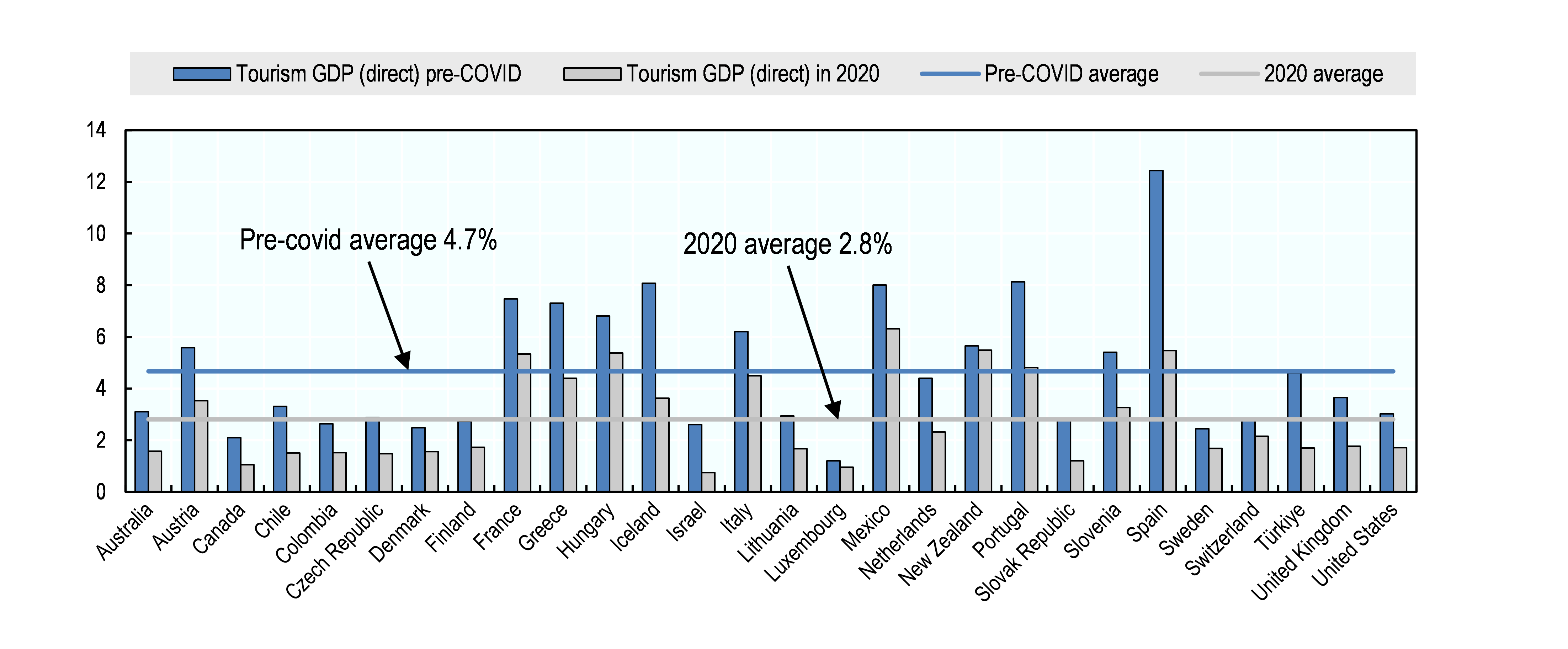
The financial scale of the global hospitality market is substantial and poised for significant expansion in the coming decade. A comprehensive report from Pragma Market Research valued the global market at $5.2 trillion in 2024, projecting growth to $6.9 trillion by 2029 at a CAGR of 6.2%.
Market Valuation Comparison
Post-COVID Recovery and International Travel Trends
The recovery of international travel from the COVID-19 pandemic has been a defining narrative for the global hospitality industry. By 2024, the industry achieved a remarkable milestone, with international tourist arrivals reaching 1.4 billion, effectively 99% of pre-pandemic levels.
Regional Recovery Performance
Emerging Market Growth
The Digital-First Traveller
The modern traveller is a digital native whose journey—from inspiration to booking and post-trip sharing—is inextricably linked to technology. According to research from Google, a staggering 74% of leisure travellers now plan their trips online, with 83% using their smartphones throughout the process.
This shift has created a new paradigm where the quality of the digital experience is just as important as the quality of the physical stay. The traditional, phone-centric model of guest communication is rapidly becoming obsolete, replaced by a new standard of messaging-first, on-demand service that is accessible 24/7.
Labour Shortages & Operational Strain
The Scale of the Staffing Crisis
The scale of the labour shortage in the hospitality sector is staggering. In Europe, the situation is particularly acute, with a comprehensive survey revealing that the sector was missing between 10% and 20% of its pre-pandemic workforce.
WTTC Projections
The World Travel & Tourism Council projects that the global travel and tourism sector could face a shortfall of 8.6 million workers by 2035 if current trends continue, with the labour supply being 16% below demand levels globally.
The Financial and Operational Impact
Direct Revenue Losses
Rising Operational Costs
In a desperate bid to attract and retain staff, businesses are being forced to offer increasingly competitive compensation packages. In Spain, bars and restaurants increased workers' wages by nearly 60% in Q1 2022 compared to the previous year.
The high cost of recruitment and onboarding is a significant drain on resources. The constant churn of employees means that businesses are perpetually investing in training new staff, only to see them leave shortly after, creating a highly inefficient and costly cycle.
The Service Quality Impact
The combination of high guest demand and chronic understaffing has created a perfect storm for employee burnout. The direct consequence is a precipitous decline in service quality. Overworked and stressed employees are less able to provide the attentive, personalized, and high-quality service that guests expect.
Burnout Statistics
- Average age of departure in Dutch hospitality: 25 years
- Spain hiring staff with no experience, no CVs
- Netherlands: 30,400 vacancies in Q1 2025
Service Failures
The consequences of understaffing are immediately apparent to guests in the form of longer wait times at check-in, delayed responses to requests, inattentive service in restaurants, and a general sense of being uncared for.
These service failures accumulate to create a negative overall impression, leading to lower guest satisfaction scores and negative online reviews.
Multilingual Breakdown: The Communication Gap
The Growing Linguistic Diversity of Global Travellers
The post-pandemic travel resurgence is characterized by a significant shift in the demographic and linguistic profiles of international tourists. The most rapid growth is occurring in outbound travel from emerging economies in Asia, Latin America, and the Middle East, creating new waves of travellers who primarily speak Mandarin, Hindi, Portuguese, Arabic, and Bahasa Indonesia.

Data from 2025 indicates that a staggering 88% of Chinese and 82% of Indian travellers plan to travel, representing a massive and linguistically distinct market segment.
Communication Challenges
- Booking and reservation errors due to language misunderstandings
- Unfulfilled guest requests and service delivery mistakes
- Safety and compliance risks in emergency situations
- Cultural nuances in communication styles
The High Cost of Miscommunication
Financial Impact Quantification
Sources: Canary Technologies, Taskworld, Relay Pro
Common Communication Failures
Booking Errors
Misunderstandings during reservation process leading to incorrect room types, wrong dates, or missed special requests
Missed Requests
Simple requests for extra towels, specific dietary requirements, or wake-up calls lost in translation
Safety Risks
Inability to communicate evacuation procedures or understand medical allergies in emergency situations
Reputational Damage
In the age of online reviews, a single negative experience stemming from a communication failure can deter hundreds of potential guests. Negative reviews frequently cite poor communication as a central complaint, with guests praising prompt service or complaining about slow responses and misunderstandings.
Research shows that 73% of consumers believe that effective communication, including overcoming language barriers, is a key factor in improving their hospitality experience.
Why AI is Underrepresented in Hospitality
Comparative AI Adoption Rates
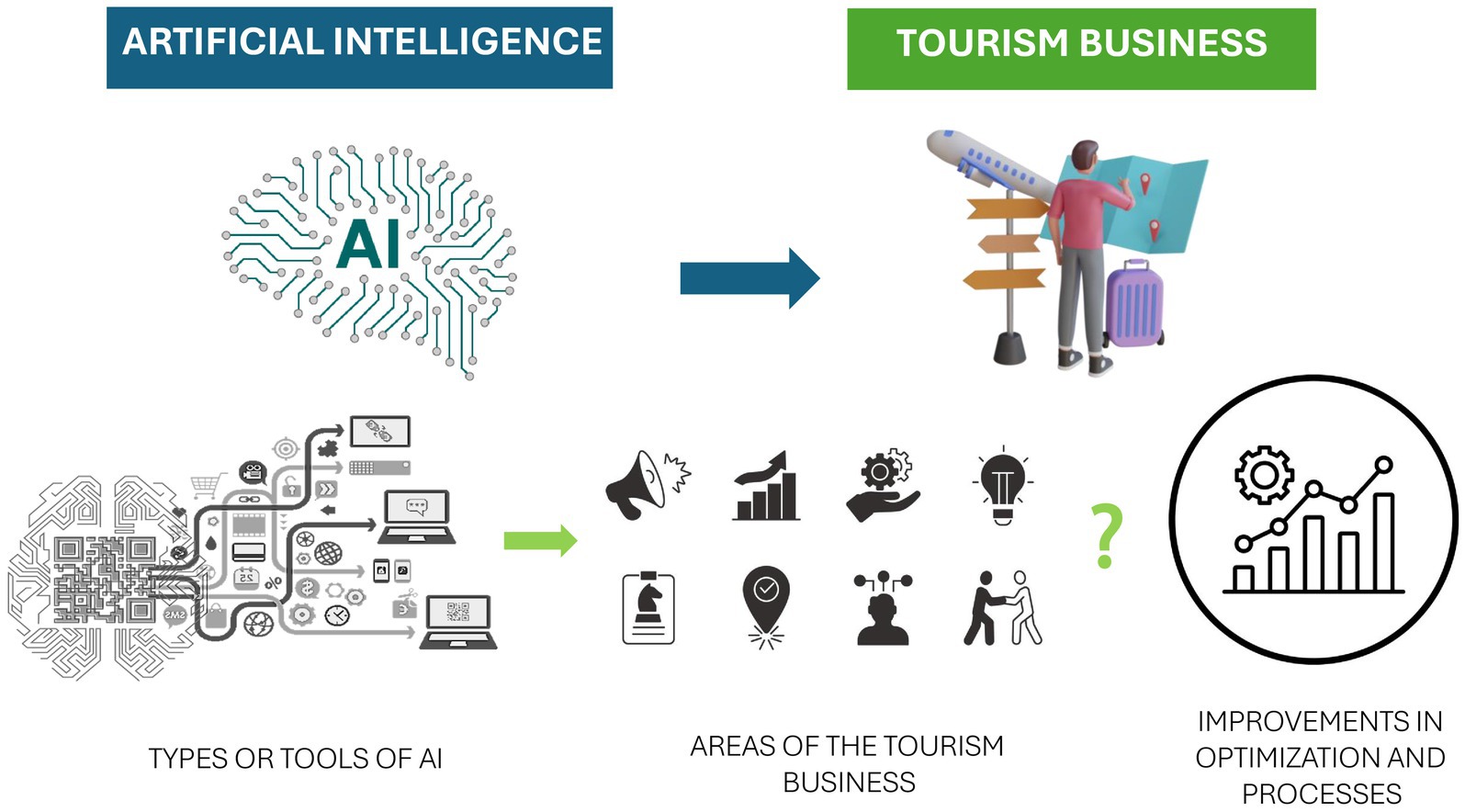
Despite the clear potential for artificial intelligence to address some of the most pressing challenges in the global hospitality sector, its adoption remains nascent and fragmented compared to other industries. A 2025 study found that 73% of hoteliers believe AI will have a significant or transformative impact on the industry, yet adoption rates tell a different story.
Industry Comparison
Structural and Cultural Barriers
Legacy Systems
Legacy Property Management Systems lack modern APIs and integration capabilities
Budget Constraints
High upfront investment with 12-18 month ROI timeline
Skills Gap
62% of hotel chains lack AI expertise
The hospitality industry's slow adoption of AI is deeply rooted in structural and cultural fabric. Many hotels rely on legacy Property Management Systems (PMS) that are often proprietary, lack modern APIs, and were never designed to communicate with external AI platforms. This creates data silos where critical guest information is trapped within the PMS.
A 2025 survey identified lack of AI expertise (62%) and unclear strategy (51%) as the top two barriers to adoption. This skills gap creates a dependency on third-party providers and increases the perceived risk of adopting new technology.
Early Adopters and Pilot Programs
Despite widespread barriers, forward-thinking hotel chains have emerged as early adopters, launching pilot programs that demonstrate tangible benefits. These industry leaders provide valuable blueprints for AI integration.
Marriott Success Story
- AI-powered chatbots for routine guest inquiries
- One Yield system for revenue management
- 10% increase in guest retention
- 12% uplift in ancillary revenue
Hilton Innovations
- "Connie" AI-powered robot concierge
- AI kitchen scales reducing food waste by 60%
- Marketing ROI doubled through AI optimization
The Emerging Category: AI Multilingual Concierge Systems
Defining the New Category
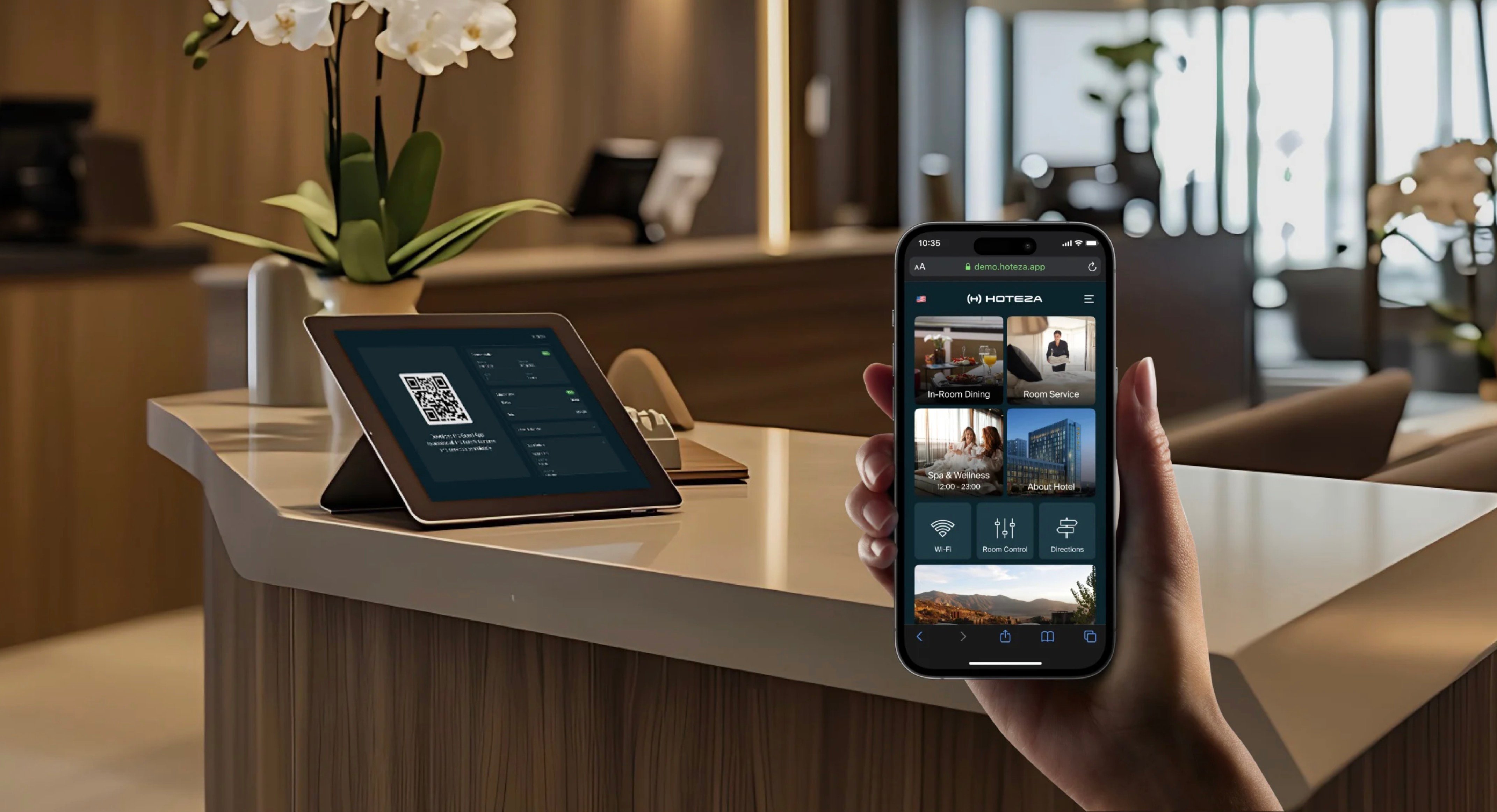
AI multilingual concierge systems represent a significant evolution from the first wave of hotel chatbots. While early solutions were limited to answering a small set of frequently asked questions based on rigid scripts, this new category is defined by its intelligence, adaptability, and seamless integration into the guest journey.
Core Functionality
- Real-time translation of guest-host communications
- Generative AI for dynamic, context-aware responses
- 24/7 availability with instant response times
- Human-in-the-loop design for complex issues
Intelligent Concierge vs Simple Chatbot
- • Context-aware responses
- • Multi-turn conversations
- • Sentiment detection
- • Property-specific knowledge
- • Rigid scripted answers
- • Single-question scope
- • No emotional intelligence
- • Generic information only
Addressing Core Industry Pain Points
Automating FAQs
Handle repetitive inquiries about Wi-Fi, check-out times, gym hours instantly and accurately, 24/7
Improving Workflow
Clear, centralized, translated communication channel reduces operational errors and miscommunication
Enhancing Accessibility
Breaks down language barriers for all guests, including those with hearing impairments
AI multilingual concierge systems provide a scalable and efficient communication channel that directly mitigates the impact of widespread labour shortages. By automating routine tasks, these platforms ensure that guest inquiries are handled promptly and accurately, even when the front desk is understaffed or overwhelmed during peak hours.
Measurable Impact on Key Performance Indicators
The implementation of AI multilingual concierge systems has a direct and measurable impact on a hotel's key performance indicators. By enhancing the guest experience, these platforms drive significant improvements in satisfaction scores and online review ratings.
Guest Satisfaction Impact
Revenue Opportunities
AI concierge systems can be a powerful engine for ancillary revenue growth. Unlike traditional upselling methods, AI can leverage its understanding of a guest's profile and preferences to make highly personalized recommendations.
Case Study: Roomlingo (roomlingo.com)
Positioning Roomlingo as an Illustrative Solution
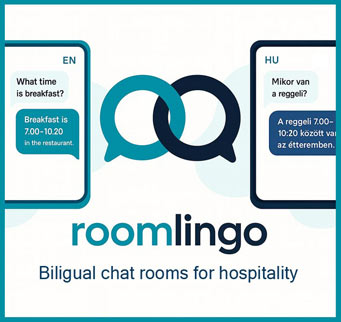
Roomlingo serves as a compelling example of the emerging category of AI-powered multilingual concierge systems. Positioned as an "intelligent multilingual reception desk," the platform addresses core communication challenges: the need for 24/7 availability, the ability to communicate in any language, and the automation of routine tasks to alleviate staff workload.
Key Differentiators
- Accessibility through browser-based interface and QR-code onboarding
- Privacy focus with encrypted messaging and timed deletion
- Operational simplicity with room-number-based routing
- Host-created knowledge base for property-specific information
Technical Architecture
Privacy & Security
Core Features and Functionality
The value proposition of Roomlingo is built on a foundation of core features designed to solve specific, high-pain-point problems for hotel operators. These functionalities demonstrate a clear understanding of the operational realities of a hotel.
Multilingual Communication
-
Live Chat with Auto-DetectionAutomatic language identification and real-time translation
-
AI-Powered ResponsesGenerates accurate answers from host-created knowledge base
-
Room-Number RoutingClear operational routing of guest requests
Operational Benefits
-
Host-Created Knowledge BaseProperty-specific FAQs, policies, and recommendations
-
QR Code AccessInstant guest onboarding without app download
-
Universal CompatibilityWorks on existing hotel hardware and systems
Market Opportunity & Forecast
Estimating the Total Addressable Market (TAM)
The Total Addressable Market (TAM) for AI communication solutions is fundamentally anchored to the overall size and economic health of the global hospitality sector. According to Statista, the revenue of the global hotel market is projected to reach US$455.15 billion in 2025, with an annual growth rate (CAGR) of 7.00% for the period 2025-2030.
Global Hotel Market Projections
Serviceable Available Market (SAM)
The Serviceable Available Market (SAM) represents the segment realistically reachable by AI communication tools. This is more accurately reflected by the "Smart Hospitality" and "AI in Hospitality" sub-markets, which show exceptional growth rates.
AI in Hotel Market
Source: Market Growth Reports
Adoption Curve Projection (2025–2035)
The hospitality industry is currently in the early adopter phase of the AI technology lifecycle. While 68% of European hoteliers see value in AI, only 41% have actually adopted it, indicating significant growth potential.
Regional Adoption Variations
Market Gaps and Early Dominance Opportunities
The most significant opportunities for new entrants often lie in specific, underserved segments where incumbent solutions are weak or non-existent. These market gaps represent areas where innovative solutions can establish a foothold and build dominant positions.
SME Hotel Segment
The small and medium-sized enterprise (SME) hotel segment represents a massive and largely underserved market. These properties face the same challenges as large chains but lack the tools to address them effectively.
- • Cost-effective solutions for tight budgets
- • Easy implementation without IT expertise
- • Immediate ROI for small operations
Vertical-Specific Solutions
Beyond the horizontal SME market, opportunities exist in developing vertical-specific solutions tailored to unique operational needs of different hospitality businesses.
- • Cruise ships (mobile environment, safety focus)
- • Business hotels (meeting room integration)
- • Resorts (spa services, excursions)
- • Boutique properties (personalized experiences)
Risks, Challenges, and Limitations
Data Privacy and Regulatory Compliance
One of the most significant challenges facing the adoption of any guest-facing technology in hospitality is the issue of data privacy and regulatory compliance. Hotels are custodians of vast amounts of sensitive guest information, and any new system must adhere to complex international regulations.
GDPR Requirements (Europe)
- Explicit consent from users
- Right to be forgotten
- Data portability rights
- Privacy by design principles
Global Privacy Landscape
Security Considerations
AI communication platforms are potential targets for cyberattacks. Hotels must conduct rigorous due diligence on technology vendors, ensuring robust security protocols including end-to-end encryption, regular security audits, and secure data storage practices.
Implementation and Adoption Hurdles
Staff Training Requirements
The introduction of AI concierge systems fundamentally alters daily workflows. Employees may fear replacement or be skeptical of technology's ability to handle complex guest issues.
Cultural Communication Challenges
AI translation can bridge language gaps but may struggle with cultural nuances, formality levels, and service expectations that vary dramatically across cultures.
The Case for a Phased, Human-in-the-Loop Approach
A "big bang" approach to full automation is fraught with peril. A more prudent strategy involves starting with low-risk applications, gradually expanding capabilities, and always ensuring human staff are available to intervene when AI reaches its limits.
Avoiding Full Automation Pitfalls
Cautionary Example
A luxury hotel chain that aggressively replaced human concierges with AI and kiosks experienced a sharp decline in guest satisfaction and negative reviews, forcing a reversal of the decision.
The hospitality industry is, at its core, a human-centric business, and the personal touch is a key differentiator that cannot be fully automated.
Balancing AI and Human Touch
Conclusion
The Hospitality Industry at an Inflection Point
The global hospitality industry stands at a critical inflection point. The post-pandemic recovery, while robust in terms of market size and travel demand, has exposed deep-seated structural vulnerabilities. The simultaneous pressures of a severe, long-term labour shortage and the increasingly complex demands of a diverse, digital-first global clientele have created a perfect storm.
The data is clear: the industry is facing an 8.6 million worker staffing gap, rising operational costs, and a communication crisis driven by linguistic diversity and evolving guest expectations. This convergence of forces means that the status quo is no longer a viable option.
The Necessity of Multilingual AI Support Systems
In this challenging environment, the adoption of AI-powered multilingual concierge systems has shifted from a futuristic concept to a strategic necessity. These technologies are not a panacea, but they are an essential tool for navigating the current crisis.
By automating routine tasks, providing 24/7 multilingual support, and streamlining operational workflows, these systems directly address the core pain points of labour shortages and communication breakdowns. The evidence from early adopters demonstrates clear ROI, with improvements in operational efficiency, guest satisfaction, and ancillary revenue.
The Path to Standard Infrastructure for a New Era of Travel
The future of hospitality will be defined by a new balance between technology and the human touch. The successful hotel of the future will be one that leverages AI not to replace its staff, but to empower them. AI-powered multilingual concierge systems are poised to become standard infrastructure, much like property management systems or high-speed Wi-Fi are today.
Solutions like Roomlingo, with their focus on accessibility, ease of use, and practical problem-solving, represent the vanguard of this new category. By providing clear and immediate value to the vast and underserved SME hotel segment, these technologies have the potential to democratize access to advanced AI capabilities.
Key Takeaway
"As the industry moves through this critical inflection point, the strategic adoption of AI-powered multilingual concierge systems will be the key to unlocking a new era of operational efficiency, guest satisfaction, and sustainable growth in a rapidly changing world."